
QUARRY REHABILITATION
Commitment to quarry rehabilitation
At CEMLEB, quarry restoration is integral to our operational lifecycle. We are committed to transforming extraction sites into safe, ecologically vibrant, and socially valuable spaces for local communities.
Rehabilitation pillars
Ensure full compliance with all applicable legal, environmental, and regulatory requirements throughout the rehabilitation process.
Reintegrate exhausted areas into the natural landscape to protect ecosystem health and enhance local biodiversity.
Restore land for beneficial use that creates long-term value and meets the expectations of local stakeholders.
Minimize long-term impacts across environmental, social, and economic dimensions following quarry closure.
Prioritizing landscape integration and ecological integrity
Our rehabilitation approach prioritizes ecological functionality and integration with the surrounding landscape, rather than focusing solely on visual improvement. We apply appropriate ecological rehabilitation techniques and prioritize highly visible areas to demonstrate good environmental practices, strengthen relationships with local communities, and build trust.
Increasing and managing areas dedicated to preservation
We aim to go beyond compliance with applicable administrative and legal requirements by identifying and dedicating areas for long-term preservation and excluding them from future extraction. These areas will remain protected under the company's ownership, supporting the conservation of natural habitats and biodiversity over the long term.
Preserving biodiversity and restoring landscapes following a science-based approach
Our commitment to environmental stewardship is built on measurable, positive impact. By partnering with leading experts, we apply science to restore quarry sites, enhance biodiversity, and reintegrate exhausted lands back into the natural landscape.
Projects
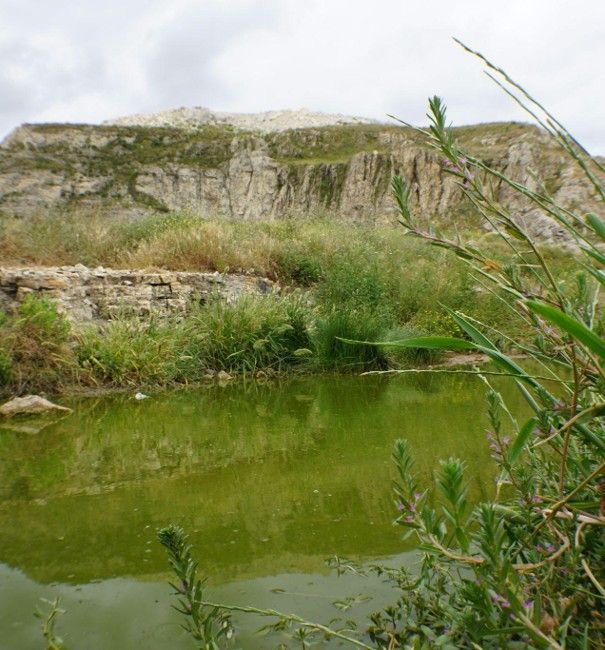
Chekka Ecological Reintegration
Through progressive restoration, exhausted sections of our quarry have been transformed to mimic local natural topography. By planting over 3,000 native trees and shrubs, vegetating roads, and creating rainwater catchment ponds to manage runoff, the site now functions as a thriving natural habitat.
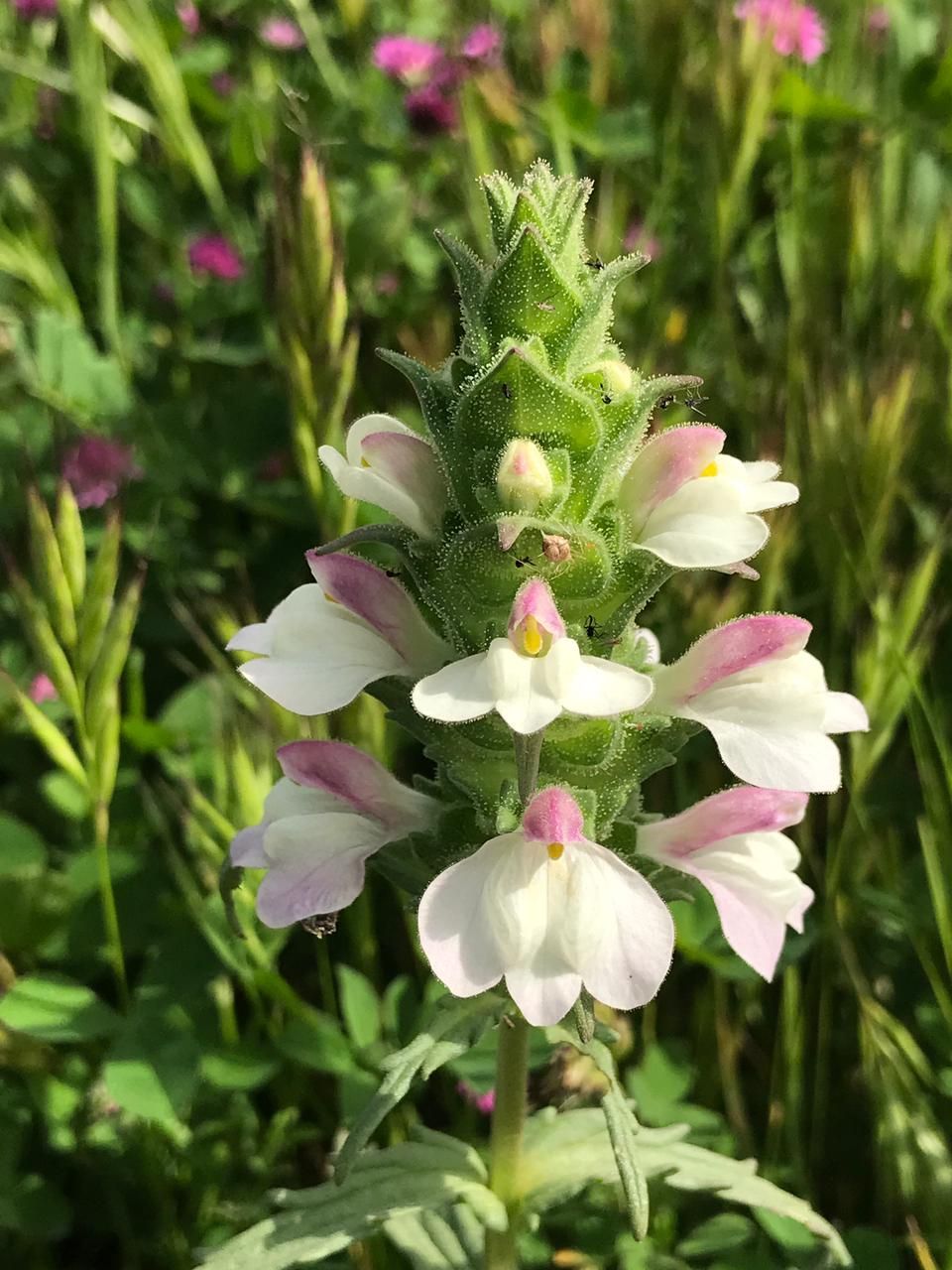
The Kfarhazir Orchid Reserve
We established a landmark reserve recognized across the region for its botanical importance. The sanctuary protects 17.5% of Lebanon’s national orchid diversity, safeguarding fragile native flora.